
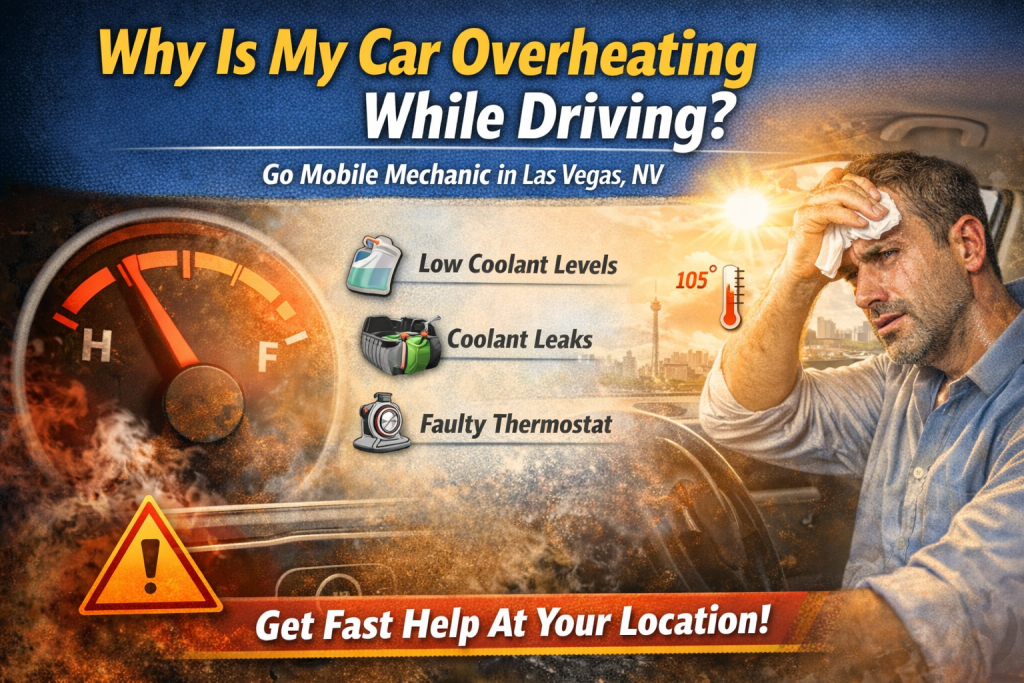
If your vehicle’s temperature gauge suddenly rises while you are driving, it may indicate that the engine is overheating. Engine overheating is a serious issue that should never be ignored because excessive heat can damage critical engine components. Drivers often ask why their car is overheating while driving, especially when the vehicle previously operated normally.
In a hot climate like Las Vegas, engines already operate under higher temperature conditions. When the cooling system is not functioning correctly, the engine may struggle to regulate heat, causing the temperature to rise quickly while driving.
Understanding the common causes of overheating can help drivers respond quickly and prevent costly repairs.

How the Engine Cooling System Works
Your vehicle’s cooling system is responsible for regulating engine temperature. During operation, the engine generates a large amount of heat, and the cooling system prevents that heat from damaging internal components.
Several parts work together to maintain a safe operating temperature:
• Radiator
• Coolant (antifreeze)
• Water pump
• Thermostat
• Cooling fans
• Radiator hoses
Coolant circulates through the engine, absorbing heat before passing through the radiator where it releases heat into the surrounding air. When any part of this system fails, the engine may begin overheating.
Warning Signs Your Engine Is Overheating
Drivers usually notice several warning signs before overheating becomes severe.
Some common indicators include:
• Temperature gauge rising above normal levels
• Steam coming from under the hood
• A burning smell from the engine area
• Reduced engine performance
• Warning lights appearing on the dashboard
If these symptoms occur, it is important to address the issue immediately to avoid engine damage.
Common Reasons a Car Overheats While Driving
Low Coolant Levels
Low coolant is one of the most common causes of engine overheating. Coolant absorbs heat from the engine and transfers it to the radiator. When coolant levels drop, the system cannot regulate temperature effectively.
Coolant may decrease due to leaks, evaporation over time, or poor maintenance. Drivers may notice the temperature rising during longer drives or when the vehicle is under heavier load.
Cooling System Leaks
Leaks within the cooling system can allow coolant to escape, preventing proper heat regulation. These leaks may occur in several areas such as radiator hoses, the radiator itself, or the water pump.
Sometimes leaks are small and difficult to detect, but they can gradually reduce coolant levels and cause overheating during driving.
Signs of a coolant leak may include puddles under the vehicle, a sweet smell from the engine compartment, or visible residue around hoses and connections.
Faulty Thermostat
The thermostat controls the flow of coolant between the engine and the radiator. When the thermostat sticks closed, coolant cannot circulate properly, causing heat to build up inside the engine.
A faulty thermostat can cause rapid temperature increases shortly after the vehicle begins operating. Drivers may notice the temperature gauge climbing quickly during normal driving conditions.
Replacing a malfunctioning thermostat usually resolves the issue.
Water Pump Failure
The water pump is responsible for circulating coolant through the engine and radiator. If the water pump fails, coolant stops moving through the cooling system, causing the engine to overheat.
Common signs of a failing water pump include unusual noises from the front of the engine, coolant leaks near the pump, or overheating during driving.
Because the water pump plays a central role in cooling system operation, this issue should be addressed quickly.
Why Overheating Is Especially Common in Las Vegas
Las Vegas experiences extremely high summer temperatures, which can place additional stress on vehicle cooling systems. When outside temperatures rise, the engine must work harder to maintain safe operating conditions.
In desert climates, several factors contribute to overheating:
• High ambient temperatures
• Long drives in extreme heat
• Heavy traffic conditions
• Increased strain on cooling components
Regular cooling system inspections can help identify problems before they cause overheating.
What To Do If Your Car Starts Overheating
If your vehicle begins overheating while driving, it is important to take action quickly.
First, reduce engine load by turning off the air conditioning and safely pulling over when possible. Allow the engine to cool before opening the hood.
Never remove the radiator cap while the engine is hot because pressurized coolant can cause burns.
Once the engine cools, check coolant levels if it is safe to do so. If the issue continues, professional inspection is recommended.
How Mobile Mechanics Diagnose Overheating Problems
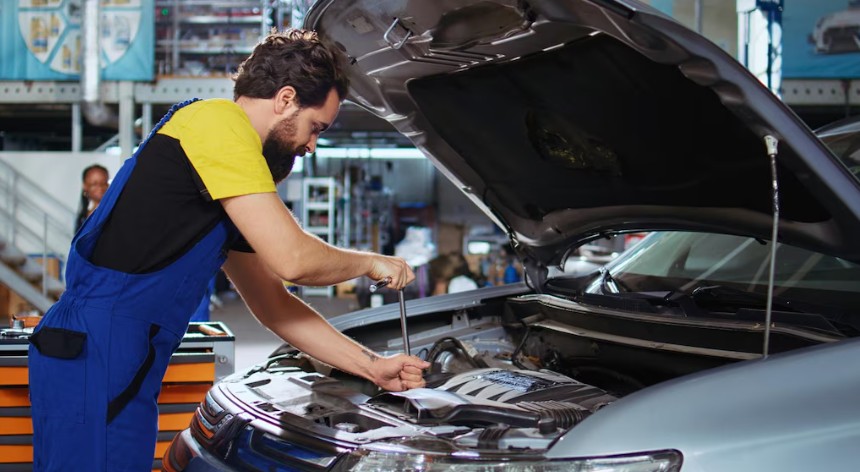
Mobile mechanics can inspect overheating issues at your location, which is helpful if driving the vehicle may cause further damage.
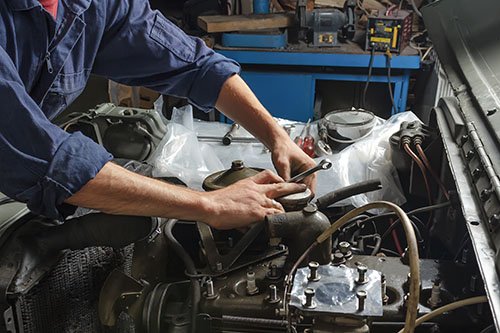
A typical inspection may include checking coolant levels and pressure, examining hoses and the radiator, testing the thermostat, and evaluating the water pump and cooling fans.
By identifying the exact cause of the overheating problem, technicians can recommend the appropriate repair.
Benefits of Mobile Mechanic Services in Las Vegas
Mobile mechanic services provide convenience for drivers experiencing vehicle problems.
Many overheating issues occur unexpectedly, and driving to a repair shop may not be safe. Mobile mechanics can inspect the vehicle at your home, workplace, or roadside location.
This approach helps drivers receive diagnostics and repair recommendations without the risk of further engine damage.
Preventing Engine Overheating
Regular maintenance is one of the most effective ways to prevent overheating.
Drivers should monitor coolant levels, replace coolant according to manufacturer recommendations, and inspect hoses and radiator components periodically.
Keeping the cooling system clean and functioning properly helps ensure that the engine remains within safe temperature limits, even during extreme Las Vegas heat.
If your car is overheating while driving, the cause may involve low coolant levels, cooling system leaks, thermostat failure, radiator problems, or water pump issues. Because overheating can cause severe engine damage, it is important to identify the problem early and address it promptly.
Professional diagnostics can help determine the cause and restore proper cooling system operation.
If your vehicle’s engine temperature is rising while driving, professional inspection can help identify the cause before serious damage occurs.
Go Mobile Mechanic in Las Vegas, NV provides convenient on-site diagnostics and automotive repair services throughout Las Vegas.
Schedule service today to have your cooling system inspected and keep your vehicle running safely.